CONFIDENTIAL
CR-26003
Clairvius Narcisse — the Documented Haitian "Zombie"
- Incident
- 1962-04-30
- Location
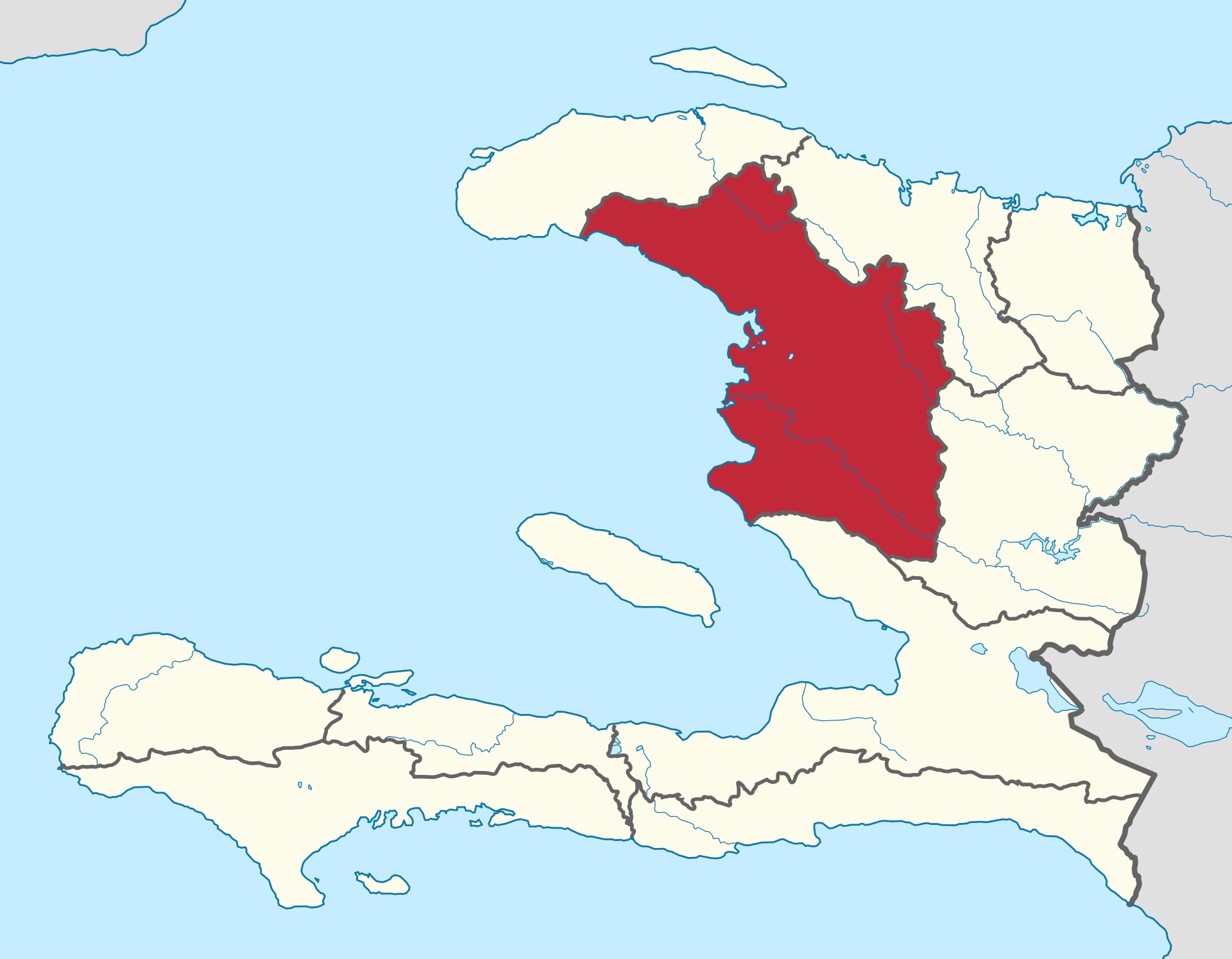
- Deschapelles and L'Estère, Artibonite, Haiti
- Coords
- 19.3417, -72.55
Brief
Clairvius Narcisse was a Haitian man pronounced dead and buried in 1962 near Deschapelles who, in 1980, reappeared alive and was recognised by his family — making him the case most often cited as a potentially verifiable "zombie." His account drove the ethnobotanist Wade Davis's search for a Vodou "zombie powder" containing the neurotoxin tetrodotoxin, a hypothesis that remains contested and unproven. The only peer-reviewed clinical study of Haitian "zombies" examined three different people and concluded that misidentification of the mentally ill was the likeliest explanation.
Filed 2026-06-28 · Last updated 28 June 2026
Briefing
Clairvius Narcisse was a Haitian man pronounced dead and buried in 1962 near
Deschapelles, Haiti, who in 1980 reappeared alive and was identified by his
family — becoming the case most often cited as a potentially verifiable
“zombie” [3]. His account drove the Harvard ethnobotanist Wade Davis’s search
for a Vodou “zombie powder” whose active component he proposed to be the
neurotoxin tetrodotoxin [1][2]. That hypothesis remains scientifically contested
and unproven, and the only peer-reviewed clinical study of Haitian “zombies”
examined three different people and concluded that misidentification of the
mentally ill was the likeliest explanation [4][5].
Sequence of events
Death and burial — 1962
- The thirtieth of April 1962. A man named Clairvius Narcisse was admitted to
the Albert Schweitzer Hospital in Deschapelles with fever, fatigue and
haemoptysis (spitting blood) [3].
- He was pronounced dead three days after admission and buried on the second of
May 1962; the hospital was staffed by American-trained doctors who documented
the death [3].
Reappearance — 1980
- In 1980, a man approached Angelina Narcisse in the village of L’Estère,
identifying himself as her brother Clairvius using a childhood nickname and
intimate family information; he was recognised by family members and
villagers [3].
- The returned man stated that he had been conscious but paralysed during his
“death,” that he heard himself pronounced dead, and that he was later dug up,
beaten, and taken to work as a forced labourer on a sugar plantation [1][3].
- The Haitian psychiatrist Lamarque Douyon, of the Port-au-Prince Psychiatric
Centre, investigated and publicised the case from 1980 [1][3].
The poison hypothesis
- The ethnobotanist Wade Davis proposed that Narcisse and similar victims
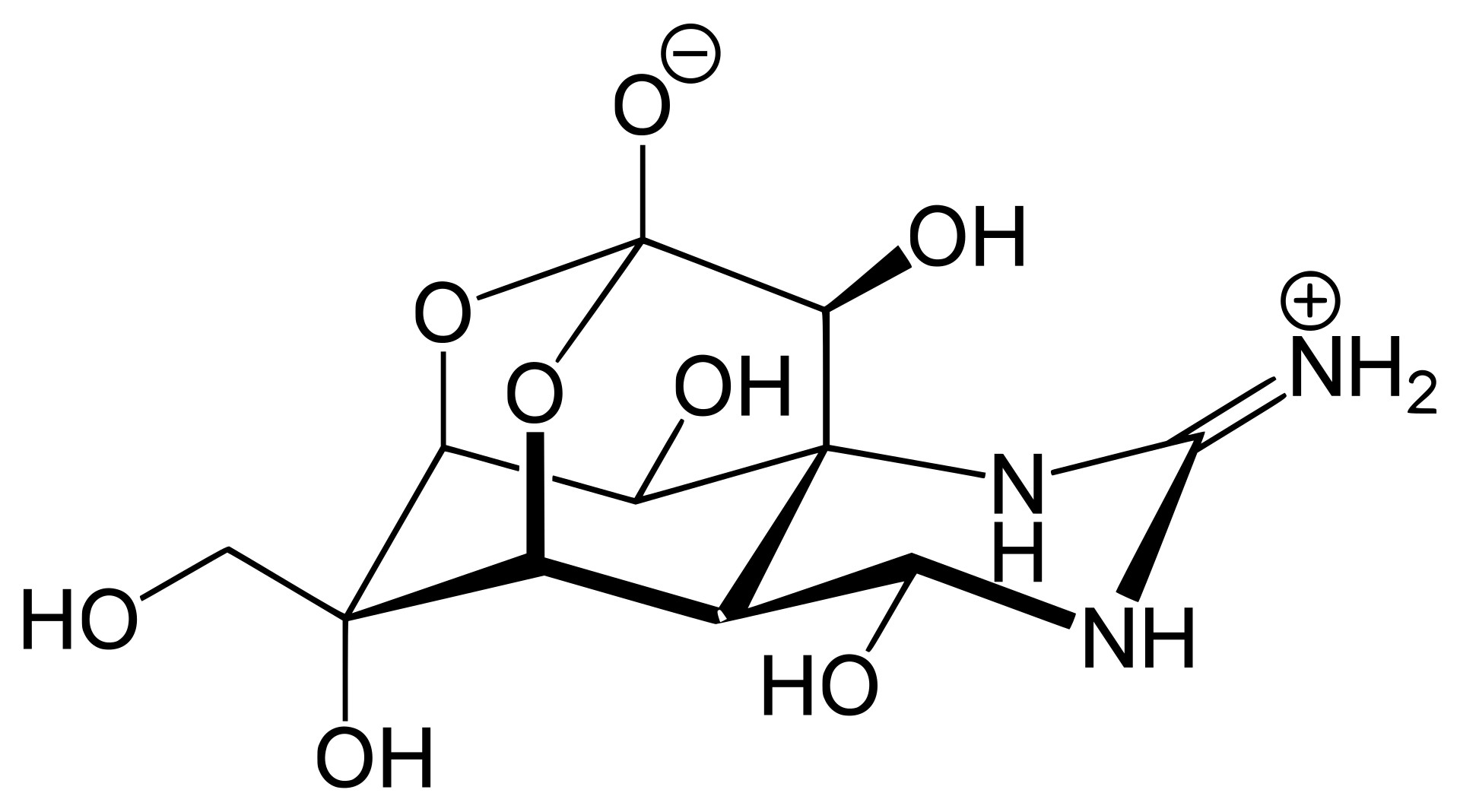
were poisoned with a powder whose active component is tetrodotoxin — a potent
neurotoxin from pufferfish — which can mimic death by inducing paralysis and a
near-undetectable metabolic state [1][2].
- Davis collected samples of “zombie powder” at several widely separated
locations in Haiti and reported recurring ingredients [2].
Documentary record
The foundational source is Wade Davis’s 1983 paper “The ethnobiology of the
Haitian zombi” in the Journal of Ethnopharmacology, which presents the Narcisse
case and the tetrodotoxin hypothesis [1]. A peer-reviewed review by Albuquerque
and colleagues (2012) catalogues the ingredients Davis reported — pufferfish
species (Sphoeroides testudineus, S. spengleri, Diodon hystrix, D.
holocanthus) containing tetrodotoxin; toads (Rhinella marina) and a treefrog
(Osteopilus dominicensis); and plants including Mucuna pruriens, Albizia
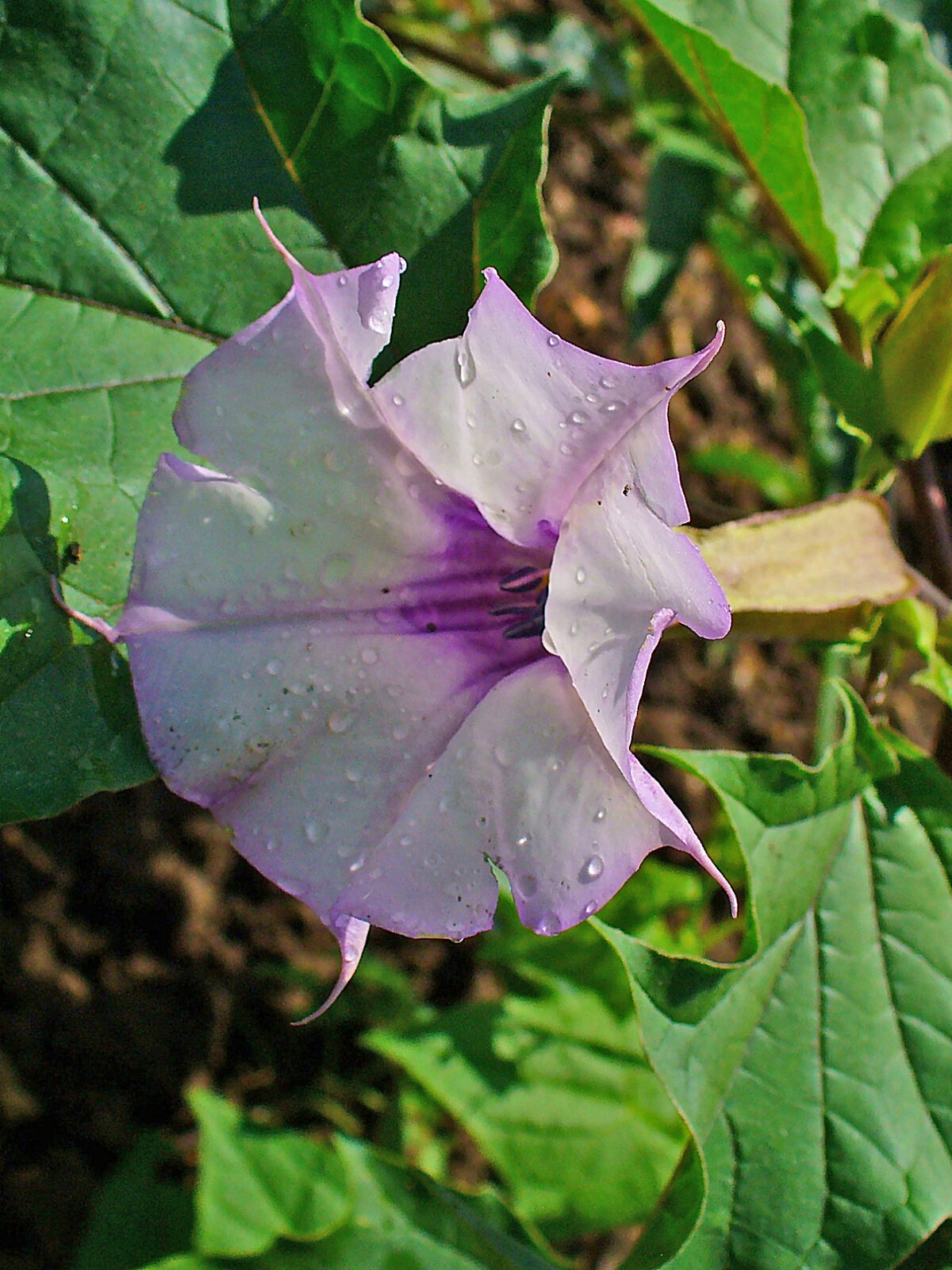
lebbeck, Dieffenbachia seguine and Datura stramonium, the post-revival
“zombie cucumber” — while stating that “research on the pharmacological basis of
the process of zombification is not conclusive” [2].
Against this stands the only peer-reviewed clinical study of the phenomenon.
Littlewood and Douyon’s 1997 paper in The Lancet, “Clinical findings in
three cases of zombification,” examined three living “zombies” — not Narcisse —
and recorded diagnoses of catatonic schizophrenia; brain damage from oxygen
deprivation plus epilepsy; and a developmental learning disability. DNA
fingerprinting showed two were not related to the families who claimed them, and
the authors concluded that “mistaken identification of a wandering, mentally ill
stranger by bereaved relatives is the most likely explanation” [4][5]. As a
documented investigation into a folkloric undead being, this file sits in the
archive alongside other cryptid cases that turn on contested
witness recognition.
Open questions
- The primary 1962 hospital death record or death certificate for Narcisse is
referenced in secondary literature but was not directly accessible for this
brief; its exact contents and the attending physicians’ names are not
independently confirmed here.
- No DNA or fingerprint test was ever published confirming that the 1980 man was
the same person buried in 1962 — identification rests on family recognition [3].
- The chemical assays of Davis’s powder samples, and whether they contained
tetrodotoxin at biologically active levels, are not resolved in the sources
verified here [2].
- The Lancet study did not re-examine Narcisse himself; the most famous case has
never been subjected to the same clinical and genetic scrutiny [4][5].
Status
This file is CONFIDENTIAL. The death, burial and 1980 reappearance are
reported through secondary literature and the investigators who publicised the
case, not from primary records accessible to this archive [3]. The tetrodotoxin
account is a named hypothesis, disputed by other pharmacologists, and is held as
theory rather than finding [1][2]. Narcisse’s own recollection of being conscious
during burial — including the detail of a coffin nail scarring his face — is
firsthand testimony recorded years after the event and is not medically
corroborated [1][3]. The land-dispute motive attributing the poisoning to
Narcisse’s brother appears in secondary reporting, traced to Gino Del Guercio’s
1986 Harvard Magazine article, without a primary record [3]. The widely
repeated figure of “about 1,000 new zombie cases per year in Haiti” originates
with Littlewood and Douyon as an estimate, not a measured count [5]. Critiques
attributed to the pharmacologists C.Y. Kao and Takeshi Yasumoto, the precise
plantation location and duration of the alleged forced labour, and any 1962
hospital case number could not be verified against accessible primary sources and
are not relied upon here. Admitted on the strength of two contemporary
peer-reviewed bodies of work — Davis’s hypothesis and the contrary Lancet study —
this remains an open and contested file.
References
- Davis, Wade (1983). “The ethnobiology of the Haitian zombi.” Journal of Ethnopharmacology. Foundational peer-reviewed paper presenting the Narcisse case and the tetrodotoxin hypothesis. Publisher page returned access restrictions; details verified via secondary summaries and the peer-reviewed review at reference 2.
- Albuquerque et al. (2012). “Natural Products from Ethnodirected Studies: Revisiting the Ethnobiology of the Zombie Poison.” Evidence-Based Complementary and Alternative Medicine. Peer-reviewed review cataloguing the reported poison ingredients; states the pharmacological basis is not conclusive.
- Clairvius Narcisse. Wikipedia. Secondary summary of the 1962 death, 1980 reappearance, the investigators involved, and the disputed land-dispute motive.
- Littlewood, R. & Douyon, C. (1997). “Clinical findings in three cases of zombification.” The Lancet 350:9084. Peer-reviewed clinical study of three living “zombies” (not Narcisse); concluded misidentification of the mentally ill.
- Bell, Vaughan (2012). “A medical study of the Haitian zombie.” Mind Hacks. Secondary discussion of the Littlewood and Douyon study, including the origin of the “1,000 cases per year” estimate.
Frequently asked
- Who was Clairvius Narcisse?
- Clairvius Narcisse was a Haitian subsistence farmer from the L'Estère region who was admitted to the Albert Schweitzer Hospital in Deschapelles in April 1962, pronounced dead, and buried in May 1962 — and who, according to reports, reappeared alive in 1980 and was identified by his family. He is the case most often cited as a potentially verifiable "zombie."
- Is there scientific proof that Narcisse was poisoned to fake his death?
- No. The ethnobotanist Wade Davis proposed that victims were poisoned with a powder whose active component is tetrodotoxin, a neurotoxin that can mimic death. This is a named hypothesis published in 1983; whether Davis's samples contained tetrodotoxin at biologically active levels is unresolved in the verified sources, and other pharmacologists dispute the claim.
- What did the only clinical study of Haitian zombies find?
- A 1997 study in The Lancet by Roland Littlewood and Chavannes Douyon examined three living "zombies" — not Narcisse himself. The diagnoses were catatonic schizophrenia, brain damage with epilepsy, and a developmental learning disability; DNA fingerprinting showed two were not related to the families who claimed them. The authors concluded that mistaken identification of a wandering, mentally ill stranger by bereaved relatives was the most likely explanation.
- Was Narcisse's identity ever confirmed scientifically?
- No. No DNA or fingerprint test was ever published confirming that the man who reappeared in 1980 was the same person buried in 1962. Identification rests on recognition by family members and villagers.